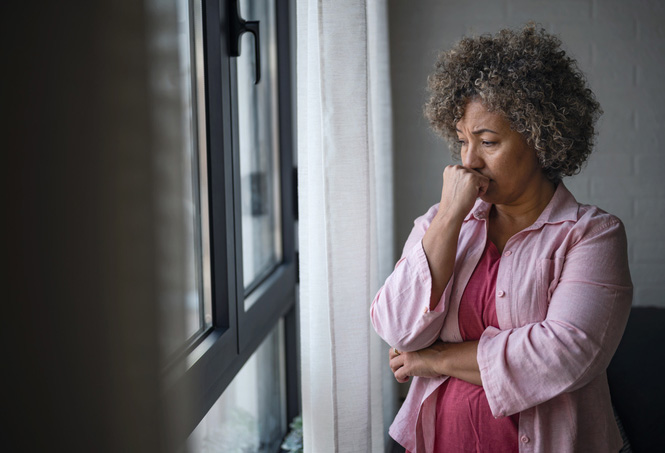
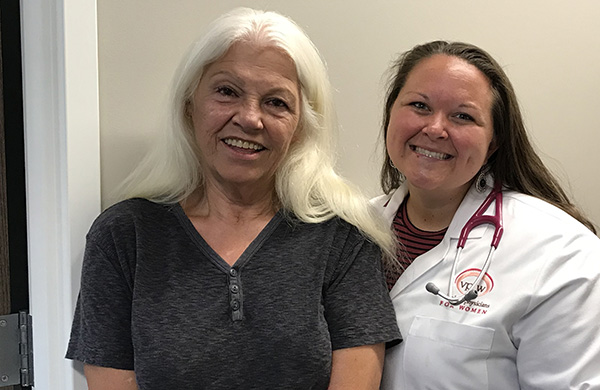
Certified NAMS menopause practitioner Dr. Emily Stone sheds light on how women can keep their energy up during this transitional time.
TL;DR: Dr. Emily Stone is a nationally certified Menopause Society practitioner. In this blog, she sheds light on the link between perimenopause and fatigue. She shares ways women can maintain their energy during this transitional time.
- Perimenopause is the transition leading up to menopause, marked by hormonal fluctuations and symptoms like hot flashes and night sweats.
- Fatigue may present as heavy physical exhaustion, brain fog, irritability, and unrefreshing sleep.
- Shifts in estrogen and progesterone disrupt circadian rhythms, worsening sleep quality and energy levels.
- Medical issues such as thyroid problems, anxiety, or cardiovascular disease can intensify fatigue.
- Fatigue often peaks in the years before menopause and typically improves afterward.
- Lifestyle changes—balanced nutrition, regular exercise, and good sleep hygiene—can help manage energy, while persistent fatigue should be evaluated by a physician.
Hello Generation X sisters! The link between perimenopause and fatigue is real.
Meanwhile, we are in the thick of it…Caring for children and possibly our parents. Working and potentially reaching the height of our careers. Trying to take care of ourselves and balance nutrition, exercise, stress, and mindfulness. Daily life is A LOT.
One of the most common complaints from women during this time of their lives is perimenopause exhaustion. So, what is the connection between perimenopause and extreme fatigue, and what can we do about it? Let’s dive in.
What is perimenopause?
To better understand perimenopause, let’s work backwards. Your final menstrual period marks the beginning of menopause. This earmark can only be defined by looking back.
Natural (non-surgical and non-hormonally manipulated) menopause is defined as no bleeding (no period) for one full year. This occurs when your ovaries have no more follicles (eggs) remaining. Thus, your primary source of estrogen production is gone.
Perimenopause includes both the transition to menopause and the first year following your final menstrual period. The menopause transition is the time of hormonal fluctuations that may result in irregular periods. These fluctuations may also cause vasomotor symptoms like hot flashes and night sweats. Vasomotor symptoms are the result of your body’s sharp decline in estrogen production.
The average age of menopause is between 51 and 52 years old. The length of time for the transition to the final menstrual period varies greatly. It can last approximately 2-8 years.
Learn more about the factors affecting the timing of perimenopause. Start with Dr. Kimberly McMorrow’s blog post, Perimenopause 101: What to Expect.
Does perimenopause cause extreme fatigue?
It may. Many women experience increased fatigue and lack of energy during perimenopause. This fatigue can be the result of a few different causes, including:
- The hormonal changes expected with perimenopause
- Underlying medical conditions (both diagnosed and not yet diagnosed)
- Sleep disturbances
These factors may all be intertwined, making it harder to delineate a clear culprit.
Many factors can contribute to sleep disturbances and, ultimately, fatigue. These include menopause-specific factors, aging, stress, and other medical or psychological factors. Approximately 50% of women who report sleep disturbances are perimenopausal.
H2: What does perimenopause fatigue feel like?
The exhaustion women experience during this transition can feel different from everyday tiredness. Many describe perimenopause fatigue as an overwhelming lack of energy that doesn’t improve much with rest.
Perimenopause fatigue can show up as:
- Physical exhaustion: Feeling like your body is heavy or weighed down, even after a full night’s sleep.
- Mental fog: Difficulty concentrating, remembering details, or staying focused throughout the day.
- Emotional drain: Increased irritability, mood swings, or feeling more easily overwhelmed by daily tasks.
- Unrefreshing sleep: Waking up tired despite going to bed on time. This is often related to hormonal shifts, hot flashes, or night sweats.
Unlike regular tiredness, perimenopause exhaustion can feel persistent and unpredictable. Recognizing these patterns is an important step in determining whether your fatigue may be linked to perimenopause. Likewise, it can help reveal if another health concern might be at play. In many cases, the answer may be both.
H2: Why does perimenopause cause fatigue?
Areas of the brain that are influenced by estrogen and progesterone are important in sleep regulation. Both these hormones also likely influence circadian rhythms. A changing pattern of estrogen and progesterone levels may affect sleep and lead to fatigue.
Difficulty sleeping (the symptom) and insomnia (the disorder) are some of the most common perimenopause complaints. Sleep may be disrupted by age-related physiologic changes as well as medical conditions. Differentiating between the two may be difficult.
Common underlying medical issues that may contribute to fatigue include:
- Thyroid gland abnormalities
- Autoimmune disorders
- Cardiovascular and cardiac issues
- Diabetes
- Depression
- Anxiety
Of these, anxiety has been identified as the strongest predictor of poor sleep quality. It is important to ensure that your general health and underlying medical conditions are managed by a physician. Treating these underlying medical conditions can help with your fatigue. Plus, it may greatly impact your long-term health.
4 major types of insomnia in midlife women
The major types of insomnia in midlife women include:
1. Menopause-related insomnia: often related to vasomotor symptoms like hot flashes and night sweats
2. Primary insomnia (psychophysiologic): sleeplessness that cannot be attributed to an existing medical, psychiatric, or environmental cause, such as drug abuse or medications.
3. Secondary insomnia: symptoms arise due to a primary medical illness, mental disorder, or other sleep disorder.
4. Insomnia induced by behavioral, environmental, or psychosocial factors: including social support, marital support, bereavement, or work environment.
Fatigue, lack of sleep, and loss of sleep are all considered “life stressors.”
To make things more complicated, there is a decisive relationship between the vasomotor symptoms of perimenopause and underlying anxiety and/or depression. Depressed mood, anxiety, vasomotor symptoms, and sleep disturbances involve complex and bidirectional relationships.
Emotional distress and vasomotor symptoms of menopause may certainly contribute to disrupted sleep patterns. It is important to recognize sleep-related complaints and their possible relation to the menopause transition.
How long does perimenopause fatigue last?
Thankfully, the sleep disturbances associated with the menopause transition are temporary. They peak during the last few years before your final menstrual period. They typically begin to subside about a year after that.
Continued treatment for other medical conditions is important for fighting fatigue that may last beyond perimenopause.
How do you overcome perimenopausal fatigue?
Establishing and/or maintaining healthy lifestyle habits and weight management behaviors are important for fighting perimenopausal fatigue. In most cases, they will also benefit your long-term health.
Nutrition
Focus your diet on lean protein and complex carbohydrates. Also, avoiding simple sugars is a great foundation for maintaining energy levels. Eating when you are hungry rather than to suppress or avoid emotions is important. That can be a challenging step towards managing your blood sugar.
See Dr. Stephen Pound’s blog post, Understanding Sugar and Hormones: FAQs and 9 Tips for Feeling Better. It contains excellent advice on how nutrition can help prevent hormone-related fatigue.
Exercise
Committing to regular exercise is another key to fighting fatigue. Strength training becomes more important during the perimenopausal years. That’s because maintaining muscle and bone mass can protect you from falls and injuries as you age.
Check out Dr. Julie Ladocsi’s blog post, How You (and your Mom) Can Fight Osteoporosis. You’ll learn how (and when) exercise can help improve bone health.
Dr. Pound’s Sugar and Hormones blog post reminds us that a brief walk after a meal can be very helpful in combating fatigue.
Sleep Hygiene and Treatment
Alleviating fatigue often depends on treating underlying sleep-related issues and improving sleep hygiene.
Hormone therapy is not indicated for the treatment of primary sleep disorders. However, appropriate hormone therapy may aid in improving sleep. The non-hormonal SSRI antidepressant medication Paxil may also be helpful.
Cognitive behavioral therapy (CBT) is a type of psychotherapy that focuses on modifying dysfunctional emotions and behaviors. CBT is one of the most effective ways to improve your sleep hygiene and feel more rested during the day. In fact, it works better than medication.
A few basic components of CBT include:
- Setting a sleep schedule
- Eliminating daytime naps
- Eliminating screen time before bed
- Using your bed for sleep and sex (not for watching TV, scrolling on your phone, or snacking)
Read Dr. Padmini Santosh’s blog post, How Women’s Hormones Can Affect Their Sleep – And Tips for Improving It! It offers more ways to improve your sleep hygiene.
H2: When to talk to your doctor about perimenopause and fatigue
It’s important not to dismiss fatigue if it begins to interfere with your daily life. Persistent or severe tiredness may be a sign of something more than hormonal changes.
You may want to reach out to your healthcare provider if you experience:
- Fatigue that doesn’t improve with rest or lifestyle adjustments
- Difficulty completing everyday tasks due to exhaustion
- Significant mood changes alongside low energy
- Other symptoms such as rapid heartbeat, unexplained weight changes, or shortness of breath
A physician may help determine whether your symptoms are related to perimenopause and fatigue. They will discuss if further testing is needed. They can also recommend strategies that may help you regain energy and improve your quality of life.
If you have concerns, schedule an appointment for perimenopause treatment now!
Helping You Navigate Perimenopause
Dr. Jen Gunter writes in The Menopause Manifesto: “The only predictable thing about the menopause transition is its unpredictability.”
We know perimenopause is a challenging time for many women, and the increased fatigue doesn’t help. We are happy to discuss your questions further and help you on your journey!
Dr. Emily Stone is a Menopause Society certified practitioner. She is fully trained on the latest, scientific-based information for providing quality menopause care. She strives to improve the health of women during their menopause transition and beyond.
To schedule an appointment with Dr. Stone or any VPFW provider, call VPFW at 804-897-2100 or message us to schedule online.
Menopause Education Resources
The Menopause Society (formerly the North American Menopause Society)
The American College of Obstetricians and Gynecologists
The Menopause Manifesto by Dr Jen Gunter
“Perimenopause 101: What to Expect” by Dr. Kimberly McMorrow
OvaryActive Podcast with Dr. Rebecca Dunsmoor-Su and Dr Amy Voedisch
Estrogen, Interrupted: A Guide to Surviving and Thriving in Perimenopause by Dr. Rebecca Dunsmoor-Su and Dr. Amy Voedisch (Coming soon! Publish date: June 2026)
Last updated April 6, 2026