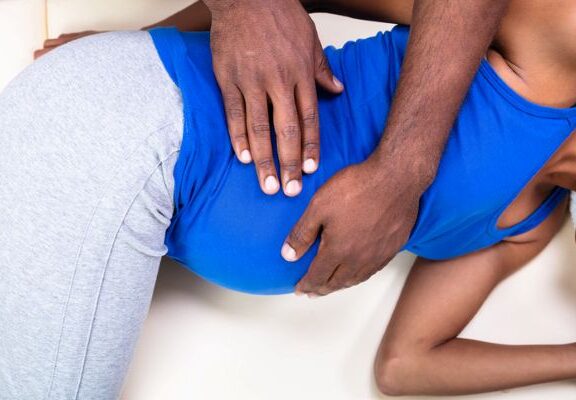
Key Takeaways: Kick counts are a simple, effective way to monitor your baby’s well-being during pregnancy. This guide explains how to track movements, what’s normal, and when to seek care.
- Start kick counts around 28 weeks and track once daily during your baby’s most active time
- Look for 10 movements within 2 hours, though most babies move much sooner
- Understand what counts as movement and how patterns may change in the third trimester
- Learn simple techniques to encourage movement if your baby seems quiet
- Contact your provider if you notice decreased or unusual movement patterns
Feeling your baby move is one of the most meaningful moments during pregnancy. Those early flutters soon turn into strong kicks and stretches—tiny reminders that your baby is growing and thriving. Beyond the excitement, these movements are also an important way to monitor your baby’s well-being in the third trimester.
At Virginia Physicians for Women (VPFW), we believe your prenatal care should include both expert medical guidance and the confidence that comes from understanding your body. Learning how to track your baby’s movements—often called “kick counts”—is a simple, reassuring way to stay connected to your baby’s health.
What Are Kick Counts?
Fetal kick counts are a method of tracking how often your baby moves over a certain length of time. Despite the name, you’re not just counting kicks—any movement counts, including rolls, flutters, swishes, or stretches.
These movements reflect your baby’s neurological development and overall well-being. As your baby grows, they begin to develop sleep-wake cycles and predictable activity patterns.
When to start kick counts
Most providers recommend starting daily kick counts around 28 weeks of pregnancy, when movements become more consistent and easier to recognize. If you have a high-risk pregnancy, your provider may recommend starting earlier.
If you’re receiving obstetric care with VPFW, your provider will provide you with personalized guidance.
Why Tracking Baby’s Movements Matters
Your baby’s movement patterns are one of the most accessible ways to monitor their health at home. While it’s normal for babies to have quieter periods, they should still move regularly throughout the day.
A consistent pattern of movement is generally reassuring. On the other hand, a noticeable change in activity may be an early sign of distress. If you know your baby’s regular activity level, you can let your healthcare provider know if there have been any changes.
Organizations like the American College of Obstetricians and Gynecologists (ACOG) support the use of fetal movement counting as a helpful screening tool in the third trimester.
It’s important to remember: kick counts are not about perfection—they’re about awareness. You’re getting to know what’s normal for your baby.
When Will I Start Feeling Movements?
If you’re earlier in your pregnancy, you may be wondering when kick counts even become relevant.
- 16–20 weeks: You may begin to feel light flutters, often described as “butterflies”
- 20–28 weeks: Movements become stronger and more noticeable
- 28+ weeks: Movements become more regular, making this the ideal time to begin tracking
Every pregnancy is different. Factors like placenta position, your body type, and your baby’s position can affect how and when you feel movement.
If you ever have concerns about not feeling movement, your provider is always your best resource.
How to do Kick Counts
There are several ways to track your baby’s movements, but one widely recommended approach is the “Count to 10” method. It’s simple, flexible, and easy to fit into your daily routine. Here are the steps:
- Choose a consistent time each day. Pick a time when your baby is typically active. Many people notice increased movement after meals or in the evening.
- Get into a comfortable position: Sit with your feet up or lie on your side (left side is often best for circulation).
- Minimize distractions: Turn off screens or pause other activities so you can focus on counting your baby’s movements.
- Start counting: Count every kick, roll, or flutter as one movement.
- Track how long it takes to feel 10 movements: Use a clock, app, or notebook to keep track.
What is a normal kick count in pregnancy?
In general, you should feel at least 10 movements within 2 hours. However, many babies will reach 10 movements much faster.
What matters most is consistency. Over time, you’ll begin to recognize your baby’s unique rhythm:
- Times of day when they’re most active
- How strong or subtle movements feel
- How long it typically takes to reach 10 movements
As your pregnancy progresses, movements may feel different as a result of less space in the uterus. You may notice more rolling or stretching and fewer sharp kicks, but the frequency of movement should remain steady.
What Counts as a Movement?
One of the most common questions we hear is: “What exactly should I be counting?” The answer: almost everything. Movements can include:
- Kicks or jabs
- Rolls or turns
- Flutters or light taps
- Stretching or shifting
Hiccups, which feel like rhythmic, repetitive movements, are generally not counted as kicks. That being said, they are a normal and reassuring sign of development.
The key is paying attention to any intentional movement your baby makes.
Tips for Successful Kick Counting
Making kick counts part of your routine can help you feel more confident and connected. Here are a few tips to make it easier:
- Pick a routine time when baby is typically active: Consistency helps you recognize patterns
- Set an alarm: A daily reminder can help you stay consistent
- Have a small snack beforehand: This can encourage movement
- Stay hydrated: Dehydration can sometimes affect activity
- Lie on your left side: This improves blood flow and makes movements easier to feel
- Use a tracking method: Apps such as Count the Kicks or even using a simple timer and taking notes can help
Most importantly, try to approach kick counts as a moment to pause and connect with your baby–not just another task on your to-do list!
When to Be Concerned About Decreased Movement
When you first start tracking your baby’s kicks, it’s normal to wonder “when should I be worried about kick counts?”
The goal of kick counts isn’t to create stress, but to help you recognize when something may need attention.
While some variation is expected, a significant or sudden decrease in movement should be taken seriously. Call your healthcare provider right away if:
- You feel fewer than 10 movements in 2 hours
- Your baby’s usual pattern of movement changes noticeably
- Movements become significantly weaker or less frequent
- You haven’t felt movement and something doesn’t feel right
Don’t wait until your next appointment–call VPFW at 804-897-2100 and press 2 to connect with our medical advice line. Your care team would always rather hear from you and rule out a concern than miss something important.
At VPFW, we’re here to listen and support you without judgment. If you have concerns, learn more about our pregnancy and obstetric care services or message us directly.
Your Partner in Pregnancy Care
Every pregnancy is unique, and so is every baby’s movement pattern. Learning how to kick count and track baby movements gives you a powerful tool to better understand your baby’s health and peace of mind along the way.
At Virginia Physicians for Women, we see your appointments as an opportunity to listen first, then guide you with personalized care. Whether you’re experiencing your first flutter or nearing delivery, our team is here for you through every pregnancy milestone.
Message us to set an appointment with your VPFW obstetrician and learn more about baby ‘s movement and how to count kicks.
FAQs
How many times a day should I do kick counts?
Most providers recommend doing kick counts once a day, starting around 28 weeks of pregnancy.
Choose a time when your baby is usually active—many people find evenings or after meals work best. The key is consistency. Tracking at the same time each day helps you better understand your baby’s unique movement patterns.
If you have a high-risk pregnancy, your provider may recommend counting more than once a day. Your VPFW care team will guide you based on your individual needs.
When should I be worried about kick counts?
You should contact your provider if you notice any significant changes in your baby’s movement. This includes:
- Fewer than 10 movements within 2 hours
- A sudden decrease in your baby’s usual activity
- Movements that feel weaker or less frequent
- You’re unable to feel movement during a time your baby is typically active
Trust your instincts—if something feels off, it’s always okay to reach out. Early evaluation can provide reassurance or identify concerns quickly.
Is it okay to skip a day of kick counts?
It’s okay to occasionally miss a day, especially if you still naturally notice your baby’s movements throughout the day.
That said, daily kick counts are most helpful when done consistently. They allow you to recognize patterns and more easily identify changes.
If you haven’t been keeping track and suddenly realize you haven’t felt movement, take time to lie down, focus, and count. If movements seem reduced, contact your provider.
What time of day is best for counting kicks?
There’s no single “best” time—it depends on your baby’s activity patterns. However, many babies are more active:
- After meals
- In the evening
- When you’re resting
Pick a time when your baby tends to be active and try to stick with it each day.
How can I wake my baby up for kick counts?
If your baby seems quiet when you’re ready to do kick counts, there are a few simple ways to gently encourage movement.
- Having a snack or drink (especially something cold or slightly sweet)
- Changing positions, such as lying on your left side
- Taking a short walk, then sitting or lying down to focus on movements
- Drinking a cold glass of water or juice
Babies often respond to changes in your body by becoming more active.
Do you recommend an app for kick counts?
Yes! Count the Kicks is a free app that reminds you to do kick counts each day, records the length of time it takes to feel 10 movements, and helps you track patterns over time.
Last updated September 3, 2026