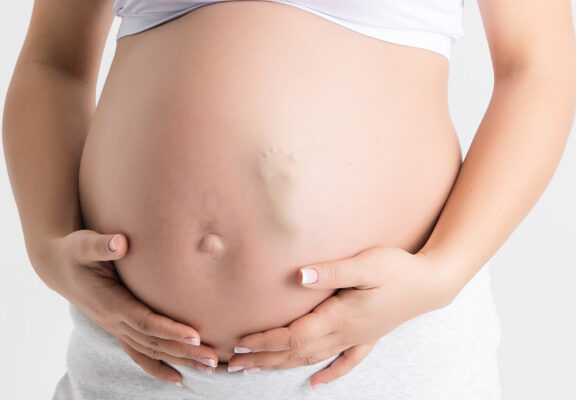
From early pregnancy symptoms to late discomforts, Dr. Marie K. Grove shares what happens in your body week by week as hormones shift and the baby grows – plus when to contact your OB.
Key Takeaways: Pregnancy changes your body in every trimester, from early hormonal shifts and fatigue to later swelling, pelvic pressure, and skin stretching. Many symptoms are normal, but some, like severe pain or intense nighttime itching, deserve prompt medical attention.
- The first trimester often brings fatigue, breast tenderness, nausea, bloating, frequent urination, and mild body pain during pregnancy as hormones rise quickly.
- In the second trimester, body changes during pregnancy become more visible, with a growing belly, posture changes, round ligament pain, skin darkening, and more noticeable hip and pelvic discomfort.
- The third trimester commonly includes stronger body aches during pregnancy, swelling, sleep trouble, pelvic pressure, heartburn, and shortness of breath as the baby grows.
- Body itching at night during pregnancy can sometimes signal a more serious condition, especially if it is intense or affects the hands and feet.
- Staying active with gentle exercise, hydration, supportive footwear, and rest can help manage discomfort throughout pregnancy.
Body changes during pregnancy can start very early, sometimes before you even begin to show. In the weeks and months ahead, your body will adapt in remarkable ways to support your growing baby. Some changes are expected and temporary, while others may feel surprising or uncomfortable at first. Knowing what is normal in each trimester can help you feel more prepared and reassured throughout pregnancy.
From hormonal shifts and fatigue to swelling and body aches during pregnancy, each stage brings its own changes. While every pregnancy is different, understanding the patterns you are likely to experience can help you know when to rest, when to make small lifestyle adjustments, and when to reach out to your provider for support.
How does your body change physically during pregnancy?
Nearly every system in the body shifts during pregnancy to support its new mission: growing a new human. Hormones rise quickly, blood volume increases, ligaments loosen, and the uterus expands to make room for your baby. This full-body takeover is one reason body changes during pregnancy week by week can feel so noticeable, even in the earliest stages.
At first, changes may be subtle. You may feel more tired than usual, notice breast tenderness, or experience nausea and bloating. As pregnancy continues, your body shape changes, your posture shifts, and your skin, joints, and circulation may all respond to the demands of pregnancy.
Some changes improve after delivery, while others can take more time. The most important thing to remember is that many pregnancy symptoms are a normal part of the process. A trusted OB provider can help you understand what to expect and what deserves a closer look.
First trimester (weeks 0-12): fatigue and early body changes during pregnancy
The first trimester is a time of major hormonal change, beginning immediately after conception. Even if your pregnancy is not visible yet, your body is already working hard to support early development. This can lead to a wide range of symptoms, especially in the first 12 to 13 weeks.
When trying to conceive, some women track basal body temperature, as a slight increase can indicate that ovulation has occurred. If you were charting before pregnancy, you may notice that your temperature stays elevated after ovulation. If pregnancy occurs, it remains elevated instead of returning to baseline as a new cycle begins. Once pregnancy is confirmed, however, tracking basal body temperature during pregnancy is not usually used as a method of tracking how the pregnancy is progressing.
Fatigue is one of the most common changes women notice during early pregnancy. Rising progesterone levels can leave you feeling unusually tired, even if you are getting enough sleep. Breast tenderness is also common as the surge of hormones stimulates the growth of milk ducts and glands in preparation for breastfeeding. Your breasts may feel fuller, heavier, or more sensitive than normal. Bloating, mild cramping, nausea, and frequent urination often appear early as well.
The first trimester is also when body pain during pregnancy can begin. Mild headaches, lower back soreness, and general body discomfort are often related to hormonal changes, fatigue, and the physical adjustments already underway. These symptoms are often normal, but severe pain or bleeding should always be reported to your provider.
You may also notice:
- nausea or vomiting (morning sickness)
- food aversions or cravings
- mood swings
- a stronger sense of smell
- constipation or bloating
For many women, the first trimester feels like the most unpredictable stage. That is normal. Your body is adjusting quickly, even if outward changes are still minimal.
Related: 5 Essential Things To Help With Morning Sickness
Second trimester (weeks 13-27): more energy and more visible changes
The second trimester is often called the most comfortable phase of pregnancy. For some women, nausea begins to ease and energy starts to return. At the same time, body changes during pregnancy become easier to see and feel.
Your abdomen becomes more noticeable as the uterus continues to grow. You may find that your clothes fit differently and that your center of gravity begins to shift. This change in posture can lead to discomfort in the lower back, hips, or pelvis.
Many women begin noticing body aches during pregnancy more consistently during this trimester. One common cause is round ligament pain, which can feel like a sharp pulling or stretching sensation or a dull ache in the lower abdomen. As the uterus expands, muscles and ligaments stretch and thicken, working harder to support the extra weight.
Skin changes may also become more noticeable. You may see stretch marks, darker skin around the nipples, or a dark line down the middle of the abdomen called the linea nigra. Melasma can occur during pregnancy—often called the “mask of pregnancy”—which is a harmless skin condition causing symmetrical, dark brown or grayish patches on the face. It affects up to 75% of expectant mothers and is triggered by elevated estrogen and progesterone, which stimulate melanin production. Increased blood flow can also make your skin look flushed or make veins more visible.
Some expectant mothers ask whether their hips widen during pregnancy. In many cases, pregnancy hormones relax the ligaments in the pelvis to prepare the body for labor and delivery. This can create a sense of pressure, soreness, or looseness in the hips and pelvic area, even if the change is not dramatically visible from the outside.
The second trimester is when you’ll begin feeling your baby’s movements, typically between 16 and 24 weeks. If it’s your first pregnancy, you might not notice early flutters until around 20 weeks, while second-time mothers can often feel them earlier (around 16 to 18 weeks). By weeks 24-28, baby’s kicks will be stronger and more frequent. If you notice a significant decrease in movement, you should reach out to your obstetrician.
Third trimester (weeks 28-40+): increasing pressure and stronger symptoms
By the third trimester, your baby is growing quickly and your body is carrying more weight. This stage often brings more pressure, more stretching, and more physical discomfort as your body prepares for labor and delivery.
Swelling in the feet, ankles, wrists, and hands is common, especially later in the day. This fluid retention combined with loosening ligaments can cause temporary conditions like carpel tunnel syndrome during the third trimester that often resolve after delivery. Back pain, pelvic pressure, leg cramps, and trouble sleeping also tend to increase during this time. As the uterus expands, it places more pressure on nearby organs, which can lead to shortness of breath, heartburn, and more frequent urination.
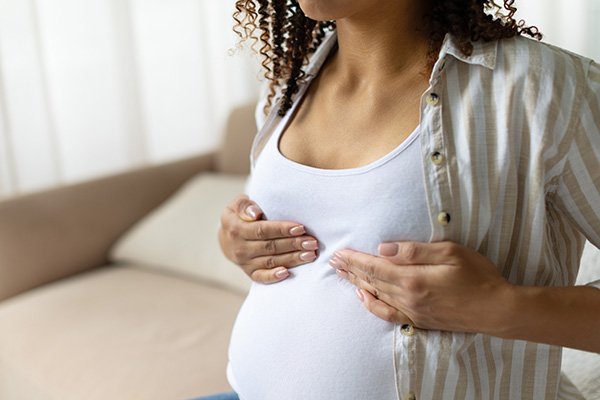
The third trimester is often when body aches during pregnancy feel most noticeable. It is common to feel soreness in the lower back, hips, ribs, and legs. Gentle movement, supportive shoes, pillows for sleep support, and rest breaks throughout the day can all help reduce discomfort.
Itching can also become more noticeable as the skin stretches. Mild itching over the belly or breasts is often related to dry, stretching skin. However, body itching at night during pregnancy should not be ignored if it becomes intense, especially on the hands or feet.
In some cases, severe itching at night can be linked to a liver condition called intrahepatic cholestasis of pregnancy. This is one reason it is important to mention new or worsening symptoms to your provider.
Other common third-trimester symptoms include:
- Braxton Hicks contractions (often referred to as “practice contractions”)
- increased vaginal discharge
- trouble getting comfortable in bed
- pressure low in the pelvis
- feeling full quickly when eating
As you get closer to delivery, your baby may settle lower into the pelvis. This can increase pelvic pressure, but it may also make breathing feel a little easier.
Related: Signs of Preterm Labor: Symptoms, Risks, and Prevention Tips
FAQs
In most cases, a different or stronger scent is a normal part of pregnancy. Still, if you notice a strong odor along with itching, irritation, pain, or unusual discharge, it is a good idea to contact your provider. These symptoms may point to an infection or another issue that needs treatment.
Walking is a great option for many women. Prenatal yoga, stretching, swimming, and low-impact strength exercises may also be helpful, depending on your health history and stage of pregnancy. Your OB can help you decide what makes sense for you.
If you’re a more advanced athlete, check out Dr. Jennie Draper’s article on how to train safely during pregnancy for tips on protecting yourself from injury and getting the rest you need as your body grows and changes.
Pregnancy is not the time to aim for perfection when it comes to exercise. It is a time to care for your body, listen to what it needs, and make adjustments as your symptoms change.
These lasting changes do not mean anything is wrong. Pregnancy places real demands on the body, and recovery takes time. For some women, certain body shape changes are temporary. For others, they may be part of the long-term physical story of pregnancy and childbirth.
When should you call your provider about body changes during pregnancy?
Many body changes during pregnancy are expected. If you are experiencing a minor discomfort, you can refer to this list of pregnancy-safe medications and treatments that are approved by our obstetricians. VPFW patients can also call our medical advice line at 804-897-2100 (press 2) with any questions during pregnancy.
However, some symptoms should always be checked by a provider. Contact your OB if you experience any of the following:
- severe pain
- heavy bleeding
- sudden swelling
- severe headaches
- vision changes
- chest pain
- decreased fetal movement
- or intense itching that gets worse at night.
It is always better to ask when something feels off. Pregnancy comes with many normal changes, but you do not have to sort through them alone. Having an experienced, supportive OB team can help you feel informed and cared for through every trimester.
Message us to set an appointment with one of our Richmond, VA obstetricians for personalized pregnancy care and insights on how your body changes during each stage of pregnancy.
Obstetric Care Services at VPFW
We offer personalized, compassionate care from preconception through delivery and postpartum recovery. Our comprehensive services include highly trained obstetricians, in-house ultrasounds, and our medical advice line for all your questions between visits.
Community Spotlight
Mama and Baby Supplies Drive & Giveaway
Now accepting donations!
CALLING ALL MAMAS: We’re collecting your spare supplies at all VPFW locations as well as Amazon Wishlist donations to give families in need at our Community Giveaway & Resource Fair on Sun., Jul. 26. Let’s support fellow moms!

Last updated July 20, 2026