Dr. Rebecca Schnatz helps us understand the causes of anxiety and offers tips for finding relief.
TL;DR: Hormones and anxiety are closely linked, and fluctuations in estrogen, progesterone, cortisol, and other anxiety hormones can significantly impact mood and emotional well-being. In this blog, Dr. Rebecca Schnatz explains how hormonal changes contribute to anxiety and what women can do to find relief.
- Hormonal shifts during PMS, postpartum, and menopause can trigger or worsen hormonal anxiety.
- Drops in estrogen and progesterone are common causes of mood changes — especially low estrogen anxiety.
- The stress response can create a cycle of rising cortisol and declining testosterone that fuels anxiety.
- Healthy lifestyle habits such as exercise, relaxation, and better sleep help balance anxiety hormones.
- Treatment options include hormone therapy to restore balance, cognitive behavioral therapy (CBT) to manage thought patterns and anxiety triggers, and anti-anxiety or anti-depressant medications
- Women also respond differently to hormonal birth control and can discuss contraception options with their OB/GYN.
As an OB/GYN, I talk with women every day about how hormones affect nearly every aspect of their health, including their mental well-being. One of the most common concerns I hear about is anxiety. Hormones and anxiety are closely connected, and fluctuations in estrogen, progesterone, cortisol, and other hormones can trigger mood swings, irritability, and what many women describe as hormonal anxiety. Understanding what hormones may cause anxiety and how to treat it can make a world of difference.
In this blog, I’ll explain the science behind these hormonal shifts and why low estrogen anxiety is especially common. Continue reading to learn what steps you can take to restore balance and feel like yourself again.
How Hormonal Changes Can Trigger Anxiety in Women
With regard to women’s health, anxiety is the most commonly diagnosed psychiatric disease, affecting nearly one in three women in their lifetime. Many women experience menstrual cycle mood symptoms during times of hormonal changes. These include premenstrual symptoms (PMS), postpartum “blues” and perimenopausal mood changes.
These mood symptoms, although apparent, are not typically pathologic and are often transient. Should they evolve into more severe symptoms, patients may be experiencing premenstrual dysphoric disorder (PMDD), postpartum depression or anxiety, or a mood disorder outside the reproductive realm, such as major depressive disorder or bipolar disorder.
What Hormone Causes Anxiety?
Some of the specific hormones that play a role in increased or decreased levels of anxiety are:
- Estrogen
- Progesterone
- Testosterone
- Oxytocin
Anxiety can also be triggered by stress steroids such as cortisol and adrenaline. The drop in estrogen and progesterone that occurs at the end of a woman’s menstrual cycle may cause anxiety and other mood symptoms. This is similar to the drop experienced during perimenopause, the time during which your body makes the natural transition to menopause. Low levels of testosterone have also been linked to elevated worry or panic.
Oxytocin, on the other hand, has been shown to reduce stress and anxiety.
The Vicious Cycle of Anxiety, Hormones, and Mood
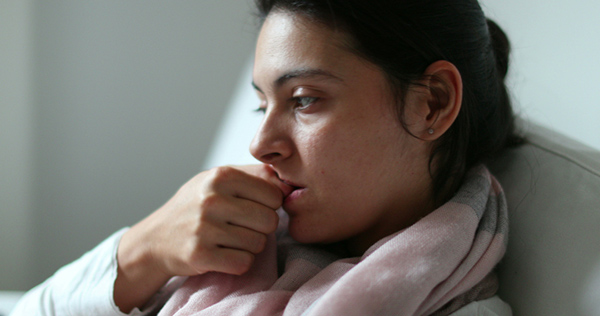
Your body produces stress hormones (cortisol and adrenaline) in response to a threat or fear (either real or perceived). These steroid hormones help you cope and prepare for action. If there is nothing to act on, you are left feeling anxious.
Not only does stress hormone production cause anxiety in and of itself, but it can also decrease production of testosterone, which can cause anxiety. And since testosterone partially controls the release of cortisol, lowered testosterone levels can set off a rise in cortisol production. The combined effect is a vicious cycle of anxiety.
Lifestyle Tips: How to Treat Anxiety Caused by Hormones Naturally
Although it may come as no surprise, behavioral lifestyle changes are the first step to better controlling anxiety. Hormonal influences may make this difficult at certain times, but healthy changes will never hurt.
Helpful ways to cope with anxiety and depression symptoms can include:
- Increasing sleep quality
- Reducing abuse of substances
- Reducing stressors
- Exercise (especially yoga)
- Limiting caffeine intake
- Smoking cessation
- Limiting alcohol use
- Meditation
- Relaxation
There are also things you can do to boost the production of oxytocin, the hormone that helps reduce stress and anxiety. Outside of childbearing, oxytocin is released during contact with loved ones and promotes relaxation and trust. Natural ways to boost oxytocin include showing generosity toward others, cuddling with a loved one, and petting an animal.
Other Ways to Treat Anxiety Caused by Hormones
Natural approaches to treating hormonal anxiety are often a great start, but they may not work for every woman. Two of the most effective evidence-based approaches include hormone therapy and cognitive behavioral therapy (CBT) or counseling.
Hormone Therapy
For some women, anxiety symptoms are linked to significant hormonal changes, such as perimenopause, menopause, or postpartum hormone fluctuations. In those cases, hormone therapy may help restore balance.
Low estrogen anxiety, for example, can improve when estrogen levels are stabilized through carefully monitored hormone therapy. Hormone therapy involves supplementing the body with bioidentical or synthetic hormones to stabilize levels and reduce symptoms.
Hormone therapy might look like:
- Pills or patches that deliver estrogen systemically
- Topical gels or creams applied to the skin
- Vaginal preparations that target localized symptoms and support comfort
- Combination therapies that include both estrogen and progesterone to mimic natural hormone balance
It’s important to discuss the potential benefits and risks of hormone therapy with your OB/GYN to determine if this treatment is right for you.
Cognitive Behavioral Therapy or Counseling
Cognitive behavioral therapy (CBT) and other forms of counseling can also help you manage anxiety. These approaches work by changing unhelpful thought patterns and building healthier coping strategies.
A typical CBT session combines discussion and self-reflection. Most importantly, you’ll learn practical exercises that you can apply in daily life. Over time, these tools can help reduce the intensity of anxiety and restore your sense of control.
Even when anxiety hormones like cortisol play a role, addressing emotional triggers and behavioral habits can make a big difference. Many women benefit from combining CBT with medical or hormonal approaches for a more holistic treatment plan.
Anti-Anxiety or Anti-Depressant Medications
Another very effective option is use of anti-anxiety or anti-depressant medications. The details of these drugs are outside the scope of this article. For more information please schedule a visit with your healthcare provider.
When to Talk to Your Doctor About Hormonal Anxiety
Sometimes you may need more than behavioral changes to get relief from your anxiety. Talking with your healthcare professional will help determine if the symptoms you’re experiencing warrant psycho and pharmacologic therapy.
Hormonal therapy is not approved to treat anxiety specifically, but a combination approach may be something to explore. Women also respond differently to hormonal birth control and can discuss contraception options with their OB/GYN.
Anxiety is a vast women’s health topic, and I have merely scratched the surface. Be sure to talk with your healthcare professional about any concerns you may have with how to manage elevated anxiety. We are always here to help!
To make an appointment with an OB/GYN provider at one of our Richmond, VA, locations, call VPFW at 804-897-2100 or message us to schedule online.